
1808 lines
34 KiB
Markdown
1808 lines
34 KiB
Markdown

|
|
|
|
# 30-seconds-of-python-code [](http://www.twitter.com/share?text=%2330secondsofcode+30-seconds-of-python-code+-+Python+Implementation+of+30+seconds+of+code%0Ahttps://github.com/kriadmin/30-seconds-of-python-code&url=a")
|
|
[](https://github.com/kriadmin/30-seconds-of-python-code/blob/master/LICENSE)
|
|
[](http://www.firsttimersonly.com/) [](https://gitter.im/30-seconds-of-python-code/Lobby) [](http://makeapullrequest.com) [](https://travis-ci.org/kriadmin/30-seconds-of-python-code) [](https://insight.io/github.com/kriadmin/30-seconds-of-python-code/tree/master/?source=0) [](https://github.com/Flet/semistandard)
|
|
[](https://app.fossa.io/projects/git%2Bgithub.com%2Fkriadmin%2F30-seconds-of-python-code?ref=badge_shield)
|
|
|
|
## Welcome to 30-seconds-of-python-code!
|
|
|
|
If you've come here from javascript land then you should be aware that this project uses `python 3`, therefore not all snippets will work as expected in every python interpreter or on system. You'll need to check your python version with the command `python -v`. If you need help installing the latest stable release of python 3 on your system checkout docs.python.org if you run into trouble make sure you research stackoverflow. Eventually it might be worth looking into how to set up a virtual environment for python projects with virtualenv or even a tool like anaconda.
|
|
|
|
This project contains plenty of useful snippets which can help beginners and newcomers quickly ramp-up on grasping python 3's syntax.
|
|
|
|
### Table of contents
|
|
|
|
### List
|
|
|
|
<details>
|
|
<summary>View contents</summary>
|
|
|
|
* [`all_equal`](#all_equal)
|
|
* [`all_unique`](#all_unique)
|
|
* [`bifurcate`](#bifurcate)
|
|
* [`bifurcate_by`](#bifurcate_by)
|
|
* [`chunk`](#chunk)
|
|
* [`compact`](#compact)
|
|
* [`count_by`](#count_by)
|
|
* [`count_occurences`](#count_occurences)
|
|
* [`deep_flatten`](#deep_flatten)
|
|
* [`difference`](#difference)
|
|
* [`difference_by`](#difference_by)
|
|
* [`every`](#every)
|
|
* [`every_nth`](#every_nth)
|
|
* [`filter_non_unique`](#filter_non_unique)
|
|
* [`group_by`](#group_by)
|
|
* [`has_duplicates`](#has_duplicates)
|
|
* [`head`](#head)
|
|
* [`initial`](#initial)
|
|
* [`initialize_2d_list`](#initialize_2d_list)
|
|
* [`initialize_list_with_range`](#initialize_list_with_range)
|
|
* [`initialize_list_with_values`](#initialize_list_with_values)
|
|
* [`intersection`](#intersection)
|
|
* [`intersection_by`](#intersection_by)
|
|
* [`last`](#last)
|
|
* [`longest_item`](#longest_item)
|
|
* [`max_n`](#max_n)
|
|
* [`min_n`](#min_n)
|
|
* [`none`](#none)
|
|
* [`offset`](#offset)
|
|
* [`sample`](#sample)
|
|
* [`shuffle`](#shuffle)
|
|
* [`similarity`](#similarity)
|
|
* [`some`](#some)
|
|
* [`spread`](#spread)
|
|
* [`tail`](#tail)
|
|
* [`unique_elements`](#unique_elements)
|
|
* [`zip`](#zip)
|
|
|
|
</details>
|
|
|
|
### Math
|
|
|
|
<details>
|
|
<summary>View contents</summary>
|
|
|
|
* [`average`](#average)
|
|
* [`average_by`](#average_by)
|
|
* [`clamp_number`](#clamp_number)
|
|
* [`digitize`](#digitize)
|
|
* [`factorial`](#factorial)
|
|
* [`fibonacci`](#fibonacci)
|
|
* [`gcd`](#gcd)
|
|
* [`in_range`](#in_range)
|
|
* [`is_divisible`](#is_divisible)
|
|
* [`is_even`](#is_even)
|
|
* [`is_odd`](#is_odd)
|
|
* [`lcm`](#lcm-)
|
|
* [`max_by`](#max_by)
|
|
* [`min_by`](#min_by)
|
|
* [`rads_to_degrees`](#rads_to_degrees)
|
|
|
|
</details>
|
|
|
|
### Object
|
|
|
|
<details>
|
|
<summary>View contents</summary>
|
|
|
|
* [`keys_only`](#keys_only)
|
|
* [`map_values`](#map_values)
|
|
* [`values_only`](#values_only)
|
|
|
|
</details>
|
|
|
|
### String
|
|
|
|
<details>
|
|
<summary>View contents</summary>
|
|
|
|
* [`byte_size`](#byte_size)
|
|
* [`capitalize`](#capitalize)
|
|
* [`capitalize_every_word`](#capitalize_every_word)
|
|
* [`decapitalize`](#decapitalize)
|
|
* [`is_anagram`](#is_anagram)
|
|
* [`is_lower_case`](#is_lower_case)
|
|
* [`is_upper_case`](#is_upper_case)
|
|
* [`palindrome`](#palindrome)
|
|
* [`split_lines`](#split_lines)
|
|
|
|
</details>
|
|
|
|
### Utility
|
|
|
|
<details>
|
|
<summary>View contents</summary>
|
|
|
|
* [`cast_list`](#cast_list)
|
|
|
|
</details>
|
|
|
|
|
|
---
|
|
|
|
## List
|
|
|
|
|
|
### all_equal
|
|
|
|
Check if all elements in a list are equal.
|
|
|
|
Use `[1:]` and `[:-1]` to compare all the values in the given list.
|
|
|
|
```python
|
|
```py
|
|
def all_equal(lst):
|
|
return lst[1:] == lst[:-1]
|
|
```
|
|
```
|
|
|
|
<details>
|
|
<summary>Examples</summary>
|
|
|
|
```python
|
|
undefined
|
|
```
|
|
</details>
|
|
|
|
<br>[⬆ Back to top](#contents)
|
|
|
|
### all_unique
|
|
|
|
Returns `True` if all the values in a flat list are unique, `False` otherwise.
|
|
|
|
Use `set()` on the given list to remove duplicates, compare its length with the length of the list.
|
|
|
|
```python
|
|
```py
|
|
def all_unique(lst):
|
|
return len(lst) == len(set(lst))
|
|
```
|
|
```
|
|
|
|
<details>
|
|
<summary>Examples</summary>
|
|
|
|
```python
|
|
undefined
|
|
```
|
|
</details>
|
|
|
|
<br>[⬆ Back to top](#contents)
|
|
|
|
### bifurcate
|
|
|
|
Splits values into two groups.
|
|
If an element in `filter` is `True`, the corresponding element in the collection belongs to the first group; otherwise, it belongs to the second group.
|
|
|
|
Use list comprehension and `enumerate()` to add elements to groups, based on `filter`.
|
|
|
|
```python
|
|
```py
|
|
def bifurcate(lst, filter):
|
|
return [
|
|
[x for i,x in enumerate(lst) if filter[i] == True],
|
|
[x for i,x in enumerate(lst) if filter[i] == False]
|
|
]
|
|
```
|
|
```
|
|
|
|
<details>
|
|
<summary>Examples</summary>
|
|
|
|
```python
|
|
undefined
|
|
```
|
|
</details>
|
|
|
|
<br>[⬆ Back to top](#contents)
|
|
|
|
### bifurcate_by
|
|
|
|
Splits values into two groups according to a function, which specifies which group an element in the input list belongs to.
|
|
If the function returns `True`, the element belongs to the first group; otherwise, it belongs to the second group.
|
|
|
|
Use list comprehension to add elements to groups, based on `fn`.
|
|
|
|
```python
|
|
```py
|
|
def bifurcate_by(lst, fn):
|
|
return [
|
|
[x for x in lst if fn(x)],
|
|
[x for x in lst if not fn(x)]
|
|
]
|
|
```
|
|
```
|
|
|
|
<details>
|
|
<summary>Examples</summary>
|
|
|
|
```python
|
|
undefined
|
|
```
|
|
</details>
|
|
|
|
<br>[⬆ Back to top](#contents)
|
|
|
|
### chunk
|
|
|
|
Chunks a list into smaller lists of a specified size.
|
|
|
|
Use `list()` and `range()` to create a list of the desired `size`.
|
|
Use `map()` on the list and fill it with splices of the given list.
|
|
Finally, return use created list.
|
|
|
|
```python
|
|
```py
|
|
from math import ceil
|
|
|
|
def chunk(lst, size):
|
|
return list(
|
|
map(lambda x: lst[x * size:x * size + size],
|
|
list(range(0, ceil(len(lst) / size)))))
|
|
```
|
|
```
|
|
|
|
<details>
|
|
<summary>Examples</summary>
|
|
|
|
```python
|
|
undefined
|
|
```
|
|
</details>
|
|
|
|
<br>[⬆ Back to top](#contents)
|
|
|
|
### compact
|
|
|
|
Removes falsey values from a list.
|
|
|
|
Use `filter()` to filter out falsey values (`False`, `None`, `0`, and `""`).
|
|
|
|
```python
|
|
```py
|
|
def compact(lst):
|
|
return list(filter(bool, lst))
|
|
```
|
|
```
|
|
|
|
<details>
|
|
<summary>Examples</summary>
|
|
|
|
```python
|
|
undefined
|
|
```
|
|
</details>
|
|
|
|
<br>[⬆ Back to top](#contents)
|
|
|
|
### count_by
|
|
|
|
Groups the elements of a list based on the given function and returns the count of elements in each group.
|
|
|
|
Use `map()` to map the values of the given list using the given function.
|
|
Iterate over the map and increase the element count each time it occurs.
|
|
|
|
```python
|
|
```py
|
|
def count_by(arr, fn=lambda x: x):
|
|
key = {}
|
|
for el in map(fn, arr):
|
|
key[el] = 0 if el not in key else key[el]
|
|
key[el] += 1
|
|
return key
|
|
```
|
|
```
|
|
|
|
<details>
|
|
<summary>Examples</summary>
|
|
|
|
```python
|
|
undefined
|
|
```
|
|
</details>
|
|
|
|
<br>[⬆ Back to top](#contents)
|
|
|
|
### count_occurences
|
|
|
|
Counts the occurrences of a value in a list.
|
|
|
|
Increment a counter for every item in the list that has the given value and is of the same type.
|
|
|
|
```python
|
|
```py
|
|
def count_occurrences(lst, val):
|
|
return len([x for x in lst if x == val and type(x) == type(val)])
|
|
```
|
|
```
|
|
|
|
<details>
|
|
<summary>Examples</summary>
|
|
|
|
```python
|
|
undefined
|
|
```
|
|
</details>
|
|
|
|
<br>[⬆ Back to top](#contents)
|
|
|
|
### deep_flatten
|
|
|
|
Deep flattens a list.
|
|
|
|
Use recursion.
|
|
Define a function, `spread`, that uses either `list.extend()` or `list.append()` on each element in a list to flatten it.
|
|
Use `list.extend()` with an empty list and the `spread` function to flatten a list.
|
|
Recursively flatten each element that is a list.
|
|
|
|
```python
|
|
```py
|
|
def spread(arg):
|
|
ret = []
|
|
for i in arg:
|
|
if isinstance(i, list):
|
|
ret.extend(i)
|
|
else:
|
|
ret.append(i)
|
|
return ret
|
|
|
|
def deep_flatten(lst):
|
|
result = []
|
|
result.extend(
|
|
spread(list(map(lambda x: deep_flatten(x) if type(x) == list else x, lst))))
|
|
return result
|
|
```
|
|
```
|
|
|
|
<details>
|
|
<summary>Examples</summary>
|
|
|
|
```python
|
|
undefined
|
|
```
|
|
</details>
|
|
|
|
<br>[⬆ Back to top](#contents)
|
|
|
|
### difference
|
|
|
|
Returns the difference between two iterables.
|
|
|
|
Create a `set` from `b`, then use list comprehension on `a` to only keep values not contained in the previously created set, `_b`.
|
|
|
|
```python
|
|
```py
|
|
def difference(a, b):
|
|
_b = set(b)
|
|
return [item for item in a if item not in _b]
|
|
```
|
|
```
|
|
|
|
<details>
|
|
<summary>Examples</summary>
|
|
|
|
```python
|
|
undefined
|
|
```
|
|
</details>
|
|
|
|
<br>[⬆ Back to top](#contents)
|
|
|
|
### difference_by
|
|
|
|
Returns the difference between two lists, after applying the provided function to each list element of both.
|
|
|
|
Create a `set` by applying `fn` to each element in `b`, then use list comprehension in combination with `fn` on `a` to only keep values not contained in the previously created set, `_b`.
|
|
|
|
```python
|
|
```py
|
|
def difference_by(a, b, fn):
|
|
_b = set(map(fn, b))
|
|
return [item for item in a if fn(item) not in _b]
|
|
```
|
|
```
|
|
|
|
<details>
|
|
<summary>Examples</summary>
|
|
|
|
```python
|
|
undefined
|
|
```
|
|
</details>
|
|
|
|
<br>[⬆ Back to top](#contents)
|
|
|
|
### every
|
|
|
|
Returns `True` if the provided function returns `True` for every element in the list, `False` otherwise.
|
|
|
|
Iterate over the elements of the list to test if every element in the list returns `True` based on `fn`.
|
|
Omit the seconds argument, `fn`, to check if all elements are `True`.
|
|
|
|
```python
|
|
```py
|
|
def every(lst, fn=lambda x: not not x):
|
|
for el in lst:
|
|
if not fn(el):
|
|
return False
|
|
return True
|
|
```
|
|
```
|
|
|
|
<details>
|
|
<summary>Examples</summary>
|
|
|
|
```python
|
|
undefined
|
|
```
|
|
</details>
|
|
|
|
<br>[⬆ Back to top](#contents)
|
|
|
|
### every_nth
|
|
|
|
Returns every nth element in a list.
|
|
|
|
Use `[1::nth]` to create a new list that contains every nth element of the given list.
|
|
|
|
```python
|
|
```py
|
|
def every_nth(lst, nth):
|
|
return lst[1::nth]
|
|
```
|
|
```
|
|
|
|
<details>
|
|
<summary>Examples</summary>
|
|
|
|
```python
|
|
undefined
|
|
```
|
|
</details>
|
|
|
|
<br>[⬆ Back to top](#contents)
|
|
|
|
### filter_non_unique
|
|
|
|
Filters out the non-unique values in a list.
|
|
|
|
Use list comprehension and `list.count()` to create a list containing only the unique values.
|
|
|
|
```python
|
|
```py
|
|
def filter_non_unique(lst):
|
|
return [item for item in lst if lst.count(item) == 1]
|
|
```
|
|
```
|
|
|
|
<details>
|
|
<summary>Examples</summary>
|
|
|
|
```python
|
|
undefined
|
|
```
|
|
</details>
|
|
|
|
<br>[⬆ Back to top](#contents)
|
|
|
|
### group_by
|
|
|
|
Groups the elements of a list based on the given function.
|
|
|
|
Use `list()` in combination with `map()` and `fn` to map the values of the list to the keys of an object.
|
|
Use list comprehension to map each element to the appropriate `key`.
|
|
|
|
```python
|
|
```py
|
|
def group_by(lst, fn):
|
|
groups = {}
|
|
for key in list(map(fn,lst)):
|
|
groups[key] = [item for item in lst if fn(item) == key]
|
|
return groups
|
|
```
|
|
```
|
|
|
|
<details>
|
|
<summary>Examples</summary>
|
|
|
|
```python
|
|
undefined
|
|
```
|
|
</details>
|
|
|
|
<br>[⬆ Back to top](#contents)
|
|
|
|
### has_duplicates
|
|
|
|
Returns `True` if there are duplicate values in a flast list, `False` otherwise.
|
|
|
|
Use `set()` on the given list to remove duplicates, compare its length with the length of the list.
|
|
|
|
```python
|
|
```py
|
|
def has_duplicates(lst):
|
|
return len(lst) != len(set(lst))
|
|
```
|
|
```
|
|
|
|
<details>
|
|
<summary>Examples</summary>
|
|
|
|
```python
|
|
undefined
|
|
```
|
|
</details>
|
|
|
|
<br>[⬆ Back to top](#contents)
|
|
|
|
### head
|
|
|
|
Returns the head of a list.
|
|
|
|
use `lst[0]` to return the first element of the passed list.
|
|
|
|
```python
|
|
```py
|
|
def head(lst):
|
|
return lst[0]
|
|
```
|
|
```
|
|
|
|
<details>
|
|
<summary>Examples</summary>
|
|
|
|
```python
|
|
undefined
|
|
```
|
|
</details>
|
|
|
|
<br>[⬆ Back to top](#contents)
|
|
|
|
### initial
|
|
|
|
Returns all the elements of a list except the last one.
|
|
|
|
Use `lst[0:-1]` to return all but the last element of the list.
|
|
|
|
```python
|
|
```py
|
|
def initial(lst):
|
|
return lst[0:-1]
|
|
```
|
|
```
|
|
|
|
<details>
|
|
<summary>Examples</summary>
|
|
|
|
```python
|
|
undefined
|
|
```
|
|
</details>
|
|
|
|
<br>[⬆ Back to top](#contents)
|
|
|
|
### initialize_2d_list
|
|
|
|
Initializes a 2D list of given width and height and value.
|
|
|
|
Use list comprehension and `range()` to generate `h` rows where each is a list with length `h`, initialized with `val`.
|
|
If `val` is not provided, default to `None`.
|
|
|
|
Explain briefly how the snippet works.
|
|
|
|
```python
|
|
```py
|
|
def initialize_2d_list(w,h, val = None):
|
|
return [[val for x in range(w)] for y in range(h)]
|
|
```
|
|
```
|
|
|
|
<details>
|
|
<summary>Examples</summary>
|
|
|
|
```python
|
|
undefined
|
|
```
|
|
</details>
|
|
|
|
<br>[⬆ Back to top](#contents)
|
|
|
|
### initialize_list_with_range
|
|
|
|
Initializes a list containing the numbers in the specified range where `start` and `end` are inclusive with their common difference `step`.
|
|
|
|
Use list comprehension and `range()` to generate a list of the appropriate length, filled with the desired values in the given range.
|
|
Omit `start` to use the default value of `0`.
|
|
Omit `step` to use the default value of `1`.
|
|
|
|
```python
|
|
```py
|
|
def initialize_list_with_range(end, start = 0, step = 1):
|
|
return [x for x in range(start, end + 1, step)]
|
|
```
|
|
```
|
|
|
|
<details>
|
|
<summary>Examples</summary>
|
|
|
|
```python
|
|
undefined
|
|
```
|
|
</details>
|
|
|
|
<br>[⬆ Back to top](#contents)
|
|
|
|
### initialize_list_with_values
|
|
|
|
Initializes and fills a list with the specified value.
|
|
|
|
Use list comprehension and `range()` to generate a list of length equal to `n`, filled with the desired values.
|
|
Omit `val` to use the default value of `0`.
|
|
|
|
```python
|
|
```py
|
|
def initialize_list_with_values(n, val = 0):
|
|
return [val for x in range(n)]
|
|
```
|
|
```
|
|
|
|
<details>
|
|
<summary>Examples</summary>
|
|
|
|
```python
|
|
undefined
|
|
```
|
|
</details>
|
|
|
|
<br>[⬆ Back to top](#contents)
|
|
|
|
### intersection
|
|
|
|
Returns a list of elements that exist in both lists.
|
|
|
|
Create a `set` from `b`, then use list comprehension on `a` to only keep values contained in both lists.
|
|
|
|
```python
|
|
```py
|
|
def intersection(a, b):
|
|
_b = set(b)
|
|
return [item for item in a if item in _b]
|
|
```
|
|
```
|
|
|
|
<details>
|
|
<summary>Examples</summary>
|
|
|
|
```python
|
|
undefined
|
|
```
|
|
</details>
|
|
|
|
<br>[⬆ Back to top](#contents)
|
|
|
|
### intersection_by
|
|
|
|
Returns a list of elements that exist in both lists, after applying the provided function to each list element of both.
|
|
|
|
Create a `set` by applying `fn` to each element in `b`, then use list comprehension in combination with `fn` on `a` to only keep values contained in both lists.
|
|
|
|
```python
|
|
```py
|
|
def intersection_by(a, b, fn):
|
|
_b = set(map(fn, b))
|
|
return [item for item in a if fn(item) in _b]
|
|
```
|
|
```
|
|
|
|
<details>
|
|
<summary>Examples</summary>
|
|
|
|
```python
|
|
undefined
|
|
```
|
|
</details>
|
|
|
|
<br>[⬆ Back to top](#contents)
|
|
|
|
### last
|
|
|
|
Returns the last element in a list.
|
|
|
|
use `lst[-1]` to return the last element of the passed list.
|
|
|
|
```python
|
|
```py
|
|
def last(lst):
|
|
return lst[-1]
|
|
```
|
|
```
|
|
|
|
<details>
|
|
<summary>Examples</summary>
|
|
|
|
```python
|
|
undefined
|
|
```
|
|
</details>
|
|
|
|
<br>[⬆ Back to top](#contents)
|
|
|
|
### longest_item
|
|
|
|
Takes any number of iterable objects or objects with a length property and returns the longest one.
|
|
If multiple objects have the same length, the first one will be returned.
|
|
|
|
Use `max()` with `len` as the `key` to return the item with the greatest length.
|
|
|
|
```python
|
|
```py
|
|
def longest_item(*args):
|
|
return max(args, key = len)
|
|
```
|
|
```
|
|
|
|
<details>
|
|
<summary>Examples</summary>
|
|
|
|
```python
|
|
undefined
|
|
```
|
|
</details>
|
|
|
|
<br>[⬆ Back to top](#contents)
|
|
|
|
### max_n
|
|
|
|
Returns the `n` maximum elements from the provided list.
|
|
If `n` is greater than or equal to the provided list's length, then return the original list (sorted in descending order).
|
|
|
|
Use `sorted() to sort the list, `[:n]` to get the specified number of elements.
|
|
Omit the second argument, `n`, to get a one-element list.
|
|
|
|
```python
|
|
```py
|
|
def max_n(lst, n=1):
|
|
return sorted(lst, reverse=True)[:n]
|
|
```
|
|
```
|
|
|
|
<details>
|
|
<summary>Examples</summary>
|
|
|
|
```python
|
|
undefined
|
|
```
|
|
</details>
|
|
|
|
<br>[⬆ Back to top](#contents)
|
|
|
|
### min_n
|
|
|
|
Returns the `n` minimum elements from the provided list.
|
|
If `n` is greater than or equal to the provided list's length, then return the original list (sorted in ascending order).
|
|
|
|
Use `sorted() to sort the list, `[:n]` to get the specified number of elements.
|
|
Omit the second argument, `n`, to get a one-element list.
|
|
|
|
```python
|
|
```py
|
|
def min_n(lst, n=1):
|
|
return sorted(lst, reverse=False)[:n]
|
|
```
|
|
```
|
|
|
|
<details>
|
|
<summary>Examples</summary>
|
|
|
|
```python
|
|
undefined
|
|
```
|
|
</details>
|
|
|
|
<br>[⬆ Back to top](#contents)
|
|
|
|
### none
|
|
|
|
Returns `False` if the provided function returns `True` for at least one element in the list, `True` otherwise.
|
|
|
|
Iterate over the elements of the list to test if every element in the list returns `False` based on `fn`.
|
|
Omit the seconds argument, `fn`, to check if all elements are `False`.
|
|
|
|
```python
|
|
```py
|
|
def none(lst, fn=lambda x: not not x):
|
|
for el in lst:
|
|
if fn(el):
|
|
return False
|
|
return True
|
|
```
|
|
```
|
|
|
|
<details>
|
|
<summary>Examples</summary>
|
|
|
|
```python
|
|
undefined
|
|
```
|
|
</details>
|
|
|
|
<br>[⬆ Back to top](#contents)
|
|
|
|
### offset
|
|
|
|
Moves the specified amount of elements to the end of the list.
|
|
|
|
Use `lst[offset:]` and `lst[:offset]` to get the two slices of the list and combine them before returning.
|
|
|
|
Explain briefly how the snippet works.
|
|
|
|
```python
|
|
```py
|
|
def offset(lst, offset):
|
|
return lst[offset:] + lst[:offset]
|
|
```
|
|
```
|
|
|
|
<details>
|
|
<summary>Examples</summary>
|
|
|
|
```python
|
|
undefined
|
|
```
|
|
</details>
|
|
|
|
<br>[⬆ Back to top](#contents)
|
|
|
|
### sample
|
|
|
|
Returns a random element from an array.
|
|
|
|
Use `randint()` to generate a random number that corresponds to an index in the list, return the element at that index.
|
|
|
|
```python
|
|
```py
|
|
from random import randint
|
|
|
|
def sample(lst):
|
|
return lst[randint(0, len(lst) - 1)]
|
|
```
|
|
```
|
|
|
|
<details>
|
|
<summary>Examples</summary>
|
|
|
|
```python
|
|
undefined
|
|
```
|
|
</details>
|
|
|
|
<br>[⬆ Back to top](#contents)
|
|
|
|
### shuffle
|
|
|
|
Randomizes the order of the values of an list, returning a new list.
|
|
|
|
Uses the [Fisher-Yates algorithm](https://en.wikipedia.org/wiki/Fisher%E2%80%93Yates_shuffle) to reorder the elements of the list.
|
|
|
|
```python
|
|
```py
|
|
from copy import deepcopy
|
|
from random import randint
|
|
|
|
def shuffle(lst):
|
|
temp_lst = deepcopy(lst)
|
|
m = len(temp_lst)
|
|
while (m):
|
|
m -= 1
|
|
i = randint(0, m)
|
|
temp_lst[m], temp_lst[i] = temp_lst[i], temp_lst[m]
|
|
return temp_lst
|
|
```
|
|
```
|
|
|
|
<details>
|
|
<summary>Examples</summary>
|
|
|
|
```python
|
|
undefined
|
|
```
|
|
</details>
|
|
|
|
<br>[⬆ Back to top](#contents)
|
|
|
|
### similarity
|
|
|
|
Returns a list of elements that exist in both lists.
|
|
|
|
Use list comprehension on `a` to only keep values contained in both lists.
|
|
|
|
```python
|
|
```py
|
|
def similarity(a, b):
|
|
return [item for item in a if item in b]
|
|
```
|
|
```
|
|
|
|
<details>
|
|
<summary>Examples</summary>
|
|
|
|
```python
|
|
undefined
|
|
```
|
|
</details>
|
|
|
|
<br>[⬆ Back to top](#contents)
|
|
|
|
### some
|
|
|
|
Returns `True` if the provided function returns `True` for at least one element in the list, `False` otherwise.
|
|
|
|
Iterate over the elements of the list to test if every element in the list returns `True` based on `fn`.
|
|
Omit the seconds argument, `fn`, to check if all elements are `True`.
|
|
|
|
```python
|
|
```py
|
|
def some(lst, fn=lambda x: not not x):
|
|
for el in lst:
|
|
if fn(el):
|
|
return True
|
|
return False
|
|
```
|
|
```
|
|
|
|
<details>
|
|
<summary>Examples</summary>
|
|
|
|
```python
|
|
undefined
|
|
```
|
|
</details>
|
|
|
|
<br>[⬆ Back to top](#contents)
|
|
|
|
### spread
|
|
|
|
Flattens a list, by spreading its elements into a new list.
|
|
|
|
Loop over elements, use `list.extend()` if the element is a list, `list.append()` otherwise.
|
|
|
|
```python
|
|
```py
|
|
def spread(arg):
|
|
ret = []
|
|
for i in arg:
|
|
if isinstance(i, list):
|
|
ret.extend(i)
|
|
else:
|
|
ret.append(i)
|
|
return ret
|
|
```
|
|
```
|
|
|
|
<details>
|
|
<summary>Examples</summary>
|
|
|
|
```python
|
|
undefined
|
|
```
|
|
</details>
|
|
|
|
<br>[⬆ Back to top](#contents)
|
|
|
|
### tail
|
|
|
|
Returns all elements in a list except for the first one.
|
|
|
|
Return `lst[1:]` if the list's length is more than `1`, otherwise, return the whole list.
|
|
|
|
```python
|
|
```py
|
|
def tail(lst):
|
|
return lst[1:] if len(lst) > 1 else lst
|
|
```
|
|
```
|
|
|
|
<details>
|
|
<summary>Examples</summary>
|
|
|
|
```python
|
|
undefined
|
|
```
|
|
</details>
|
|
|
|
<br>[⬆ Back to top](#contents)
|
|
|
|
### unique_elements
|
|
|
|
Returns the unique elements in a given list.
|
|
|
|
Create a `set` from the list to discard duplicated values, then return a `list` from it.
|
|
|
|
```python
|
|
```py
|
|
def unique_elements(li):
|
|
return list(set(li))
|
|
```
|
|
```
|
|
|
|
<details>
|
|
<summary>Examples</summary>
|
|
|
|
```python
|
|
undefined
|
|
```
|
|
</details>
|
|
|
|
<br>[⬆ Back to top](#contents)
|
|
|
|
### zip
|
|
|
|
Creates a list of elements, grouped based on the position in the original lists.
|
|
|
|
|
|
Use `max` combined with `list comprehension` to get the length of the longest list in the arguments.
|
|
Loop for `max_length` times grouping elements.
|
|
If lengths of `lists` vary, use `fill_value` (defaults to `None`).
|
|
|
|
```python
|
|
```py
|
|
def zip(*args, fillvalue=None):
|
|
max_length = max([len(lst) for lst in args])
|
|
result = []
|
|
for i in range(max_length):
|
|
result.append([
|
|
args[k][i] if i < len(args[k]) else fillvalue for k in range(len(args))
|
|
])
|
|
return result
|
|
```
|
|
```
|
|
|
|
<details>
|
|
<summary>Examples</summary>
|
|
|
|
```python
|
|
undefined
|
|
```
|
|
</details>
|
|
|
|
<br>[⬆ Back to top](#contents)
|
|
|
|
---
|
|
|
|
## Math
|
|
|
|
|
|
### average
|
|
|
|
Returns the average of two or more numbers.
|
|
|
|
Use `sum()` to sum all of the `args` provided, divide by `len(args)`.
|
|
|
|
```python
|
|
```py
|
|
def average(*args):
|
|
return sum(args, 0.0) / len(args)
|
|
```
|
|
```
|
|
|
|
<details>
|
|
<summary>Examples</summary>
|
|
|
|
```python
|
|
undefined
|
|
```
|
|
</details>
|
|
|
|
<br>[⬆ Back to top](#contents)
|
|
|
|
### average_by
|
|
|
|
Returns the average of a list, after mapping each element to a value using the provided function.
|
|
|
|
Use `map()` to map each element to the value returned by `fn`.
|
|
Use `sum()` to sum all of the mapped values, divide by `len(lst)`.
|
|
|
|
```python
|
|
```py
|
|
def average_by(lst, fn=lambda x: x):
|
|
return sum(map(fn, lst), 0.0) / len(lst)
|
|
```
|
|
```
|
|
|
|
<details>
|
|
<summary>Examples</summary>
|
|
|
|
```python
|
|
undefined
|
|
```
|
|
</details>
|
|
|
|
<br>[⬆ Back to top](#contents)
|
|
|
|
### clamp_number
|
|
|
|
Clamps `num` within the inclusive range specified by the boundary values `a` and `b`.
|
|
|
|
If `num` falls within the range, return `num`.
|
|
Otherwise, return the nearest number in the range.
|
|
|
|
```python
|
|
```py
|
|
def clamp_number(num,a,b):
|
|
return max(min(num, max(a,b)),min(a,b))
|
|
```
|
|
```
|
|
|
|
<details>
|
|
<summary>Examples</summary>
|
|
|
|
```python
|
|
undefined
|
|
```
|
|
</details>
|
|
|
|
<br>[⬆ Back to top](#contents)
|
|
|
|
### digitize
|
|
|
|
Converts a number to an array of digits.
|
|
|
|
Use `map()` combined with `int` on the string representation of `n` and return a list from the result.
|
|
|
|
```python
|
|
```py
|
|
def digitize(n):
|
|
return list(map(int, str(n)))
|
|
```
|
|
```
|
|
|
|
<details>
|
|
<summary>Examples</summary>
|
|
|
|
```python
|
|
undefined
|
|
```
|
|
</details>
|
|
|
|
<br>[⬆ Back to top](#contents)
|
|
|
|
### factorial
|
|
|
|
Calculates the factorial of a number.
|
|
|
|
Use recursion.
|
|
If `num` is less than or equal to `1`, return `1`.
|
|
Otherwise, return the product of `num` and the factorial of `num - 1`.
|
|
Throws an exception if `num` is a negative or a floating point number.
|
|
|
|
```python
|
|
```py
|
|
def factorial(num):
|
|
if not ((num >= 0) & (num % 1 == 0)):
|
|
raise Exception(
|
|
f"Number( {num} ) can't be floating point or negative ")
|
|
return 1 if num == 0 else num * factorial(num - 1)
|
|
```
|
|
```
|
|
|
|
<details>
|
|
<summary>Examples</summary>
|
|
|
|
```python
|
|
undefined
|
|
```
|
|
</details>
|
|
|
|
<br>[⬆ Back to top](#contents)
|
|
|
|
### fibonacci
|
|
|
|
Generates an array, containing the Fibonacci sequence, up until the nth term.
|
|
|
|
Starting with `0` and `1`, use `list.apoend() to add the sum of the last two numbers of the list to the end of the list, until the length of the list reaches `n`.
|
|
If `n` is less or equal to `0`, return a list containing `0`.
|
|
|
|
```python
|
|
```py
|
|
def fibonacci(n):
|
|
if n <= 0:
|
|
return [0]
|
|
|
|
sequence = [0, 1]
|
|
while len(sequence) <= n:
|
|
next_value = sequence[len(sequence) - 1] + sequence[len(sequence) - 2]
|
|
sequence.append(next_value)
|
|
|
|
return sequence
|
|
```
|
|
```
|
|
|
|
<details>
|
|
<summary>Examples</summary>
|
|
|
|
```python
|
|
undefined
|
|
```
|
|
</details>
|
|
|
|
<br>[⬆ Back to top](#contents)
|
|
|
|
### gcd
|
|
|
|
Calculates the greatest common divisor of a list of numbers.
|
|
|
|
Use `reduce()` and `math.gcd` over the given list.
|
|
|
|
```python
|
|
```py
|
|
from functools import reduce
|
|
import math
|
|
|
|
def gcd(numbers):
|
|
return reduce(math.gcd, numbers)
|
|
```
|
|
```
|
|
|
|
<details>
|
|
<summary>Examples</summary>
|
|
|
|
```python
|
|
undefined
|
|
```
|
|
</details>
|
|
|
|
<br>[⬆ Back to top](#contents)
|
|
|
|
### in_range
|
|
|
|
Checks if the given number falls within the given range.
|
|
|
|
Use arithmetic comparison to check if the given number is in the specified range.
|
|
If the second parameter, `end`, is not specified, the range is considered to be from `0` to `start`.
|
|
|
|
```python
|
|
```py
|
|
def in_range(n, start, end = 0):
|
|
if (start > end):
|
|
end, start = start, end
|
|
return start <= n <= end
|
|
```
|
|
```
|
|
|
|
<details>
|
|
<summary>Examples</summary>
|
|
|
|
```python
|
|
undefined
|
|
```
|
|
</details>
|
|
|
|
<br>[⬆ Back to top](#contents)
|
|
|
|
### is_divisible
|
|
|
|
Checks if the first numeric argument is divisible by the second one.
|
|
|
|
Use the modulo operator (`%`) to check if the remainder is equal to `0`.
|
|
|
|
```python
|
|
```py
|
|
def is_divisible(dividend, divisor):
|
|
return dividend % divisor == 0
|
|
```
|
|
```
|
|
|
|
<details>
|
|
<summary>Examples</summary>
|
|
|
|
```python
|
|
undefined
|
|
```
|
|
</details>
|
|
|
|
<br>[⬆ Back to top](#contents)
|
|
|
|
### is_even
|
|
|
|
Returns `True` if the given number is even, `False` otherwise.
|
|
|
|
Checks whether a number is odd or even using the modulo (`%`) operator.
|
|
Returns `True` if the number is even, `False` if the number is odd.
|
|
|
|
```python
|
|
```py
|
|
def is_even(num):
|
|
return num % 2 == 0
|
|
```
|
|
```
|
|
|
|
<details>
|
|
<summary>Examples</summary>
|
|
|
|
```python
|
|
undefined
|
|
```
|
|
</details>
|
|
|
|
<br>[⬆ Back to top](#contents)
|
|
|
|
### is_odd
|
|
|
|
Returns `True` if the given number is odd, `False` otherwise.
|
|
|
|
Checks whether a number is even or odd using the modulo (`%`) operator.
|
|
Returns `True` if the number is odd, `False` if the number is even.
|
|
|
|
```python
|
|
```py
|
|
def is_odd(num):
|
|
return num % 2 == `0`
|
|
```
|
|
```
|
|
|
|
<details>
|
|
<summary>Examples</summary>
|
|
|
|
```python
|
|
undefined
|
|
```
|
|
</details>
|
|
|
|
<br>[⬆ Back to top](#contents)
|
|
|
|
### lcm 
|
|
|
|
Returns the least common multiple of two or more numbers.
|
|
|
|
Define a function, `spread`, that uses either `list.extend()` or `list.append()` on each element in a list to flatten it.
|
|
Use `math.gcd()` and `lcm(x,y) = x * y / gcd(x,y)` to determine the least common multiple.
|
|
|
|
```python
|
|
```py
|
|
from functools import reduce
|
|
import math
|
|
|
|
def spread(arg):
|
|
ret = []
|
|
for i in arg:
|
|
if isinstance(i, list):
|
|
ret.extend(i)
|
|
else:
|
|
ret.append(i)
|
|
return ret
|
|
|
|
def lcm(*args):
|
|
numbers = []
|
|
numbers.extend(spread(list(args)))
|
|
|
|
def _lcm(x, y):
|
|
return int(x * y / math.gcd(x, y))
|
|
|
|
return reduce((lambda x, y: _lcm(x, y)), numbers)
|
|
```
|
|
```
|
|
|
|
<details>
|
|
<summary>Examples</summary>
|
|
|
|
```python
|
|
undefined
|
|
```
|
|
</details>
|
|
|
|
<br>[⬆ Back to top](#contents)
|
|
|
|
### max_by
|
|
|
|
Returns the maximum value of a list, after mapping each element to a value using the provided function.
|
|
|
|
use `map()` with `fn` to map each element to a value using the provided function, convert to a `list` and use `max()` to return the maximum value.
|
|
|
|
```python
|
|
```py
|
|
def max_by(lst, fn):
|
|
return max(list(map(fn,lst)))
|
|
```
|
|
```
|
|
|
|
<details>
|
|
<summary>Examples</summary>
|
|
|
|
```python
|
|
undefined
|
|
```
|
|
</details>
|
|
|
|
<br>[⬆ Back to top](#contents)
|
|
|
|
### min_by
|
|
|
|
Returns the minimum value of a list, after mapping each element to a value using the provided function.
|
|
|
|
use `map()` with `fn` to map each element to a value using the provided function, convert to a `list` and use `min()` to return the minimum value.
|
|
|
|
```python
|
|
```py
|
|
def min_by(lst, fn):
|
|
return min(list(map(fn,lst)))
|
|
```
|
|
```
|
|
|
|
<details>
|
|
<summary>Examples</summary>
|
|
|
|
```python
|
|
undefined
|
|
```
|
|
</details>
|
|
|
|
<br>[⬆ Back to top](#contents)
|
|
|
|
### rads_to_degrees
|
|
|
|
Converts an angle from radians to degrees.
|
|
|
|
Use `math.pi` and the radian to degree formula to convert the angle from radians to degrees.
|
|
|
|
```python
|
|
```py
|
|
import math
|
|
|
|
def rads_to_degrees(rad):
|
|
return (rad * 180.0) / math.pi
|
|
```
|
|
```
|
|
|
|
<details>
|
|
<summary>Examples</summary>
|
|
|
|
```python
|
|
undefined
|
|
```
|
|
</details>
|
|
|
|
<br>[⬆ Back to top](#contents)
|
|
|
|
---
|
|
|
|
## Object
|
|
|
|
|
|
### keys_only
|
|
|
|
Returns a flat list of all the keys in a flat dictionary.
|
|
|
|
Use `dict.keys()` to return the keys in the given dictionary.
|
|
Return a `list()` of the previous result.
|
|
|
|
```python
|
|
```py
|
|
def keys_only(flat_dict):
|
|
return list(flat_dict.keys())
|
|
```
|
|
```
|
|
|
|
<details>
|
|
<summary>Examples</summary>
|
|
|
|
```python
|
|
undefined
|
|
```
|
|
</details>
|
|
|
|
<br>[⬆ Back to top](#contents)
|
|
|
|
### map_values
|
|
|
|
Creates an object with the same keys as the provided object and values generated by running the provided function for each value.
|
|
|
|
Use `dict.keys()` to iterate over the object's keys, assigning the values produced by `fn` to each key of a new object.
|
|
|
|
```python
|
|
```py
|
|
def map_values(obj, fn):
|
|
ret = {}
|
|
for key in obj.keys():
|
|
ret[key] = fn(obj[key])
|
|
return ret
|
|
```
|
|
```
|
|
|
|
<details>
|
|
<summary>Examples</summary>
|
|
|
|
```python
|
|
undefined
|
|
```
|
|
</details>
|
|
|
|
<br>[⬆ Back to top](#contents)
|
|
|
|
### values_only
|
|
|
|
Returns a flat list of all the values in a flat dictionary.
|
|
|
|
Use `dict.values()` to return the values in the given dictionary.
|
|
Return a `list()` of the previous result.
|
|
|
|
```python
|
|
```py
|
|
def values_only(dict):
|
|
return list(flat_dict.values())
|
|
```
|
|
```
|
|
|
|
<details>
|
|
<summary>Examples</summary>
|
|
|
|
```python
|
|
undefined
|
|
```
|
|
</details>
|
|
|
|
<br>[⬆ Back to top](#contents)
|
|
|
|
---
|
|
|
|
## String
|
|
|
|
|
|
### byte_size
|
|
|
|
Returns the length of a string in bytes.
|
|
|
|
Use `string.encode('utf-8')` to encode the given string and return its length.
|
|
|
|
```python
|
|
```py
|
|
def byte_size(string):
|
|
return len(string.encode('utf-8'))
|
|
```
|
|
```
|
|
|
|
<details>
|
|
<summary>Examples</summary>
|
|
|
|
```python
|
|
undefined
|
|
```
|
|
</details>
|
|
|
|
<br>[⬆ Back to top](#contents)
|
|
|
|
### capitalize
|
|
|
|
Capitalizes the first letter of a string.
|
|
|
|
Capitalize the first letter of the string and then add it with rest of the string.
|
|
Omit the `lower_rest` parameter to keep the rest of the string intact, or set it to `True` to convert to lowercase.
|
|
|
|
```python
|
|
```py
|
|
def capitalize(string, lower_rest=False):
|
|
return string[:1].upper() + (string[1:].lower() if lower_rest else string[1:])
|
|
```
|
|
```
|
|
|
|
<details>
|
|
<summary>Examples</summary>
|
|
|
|
```python
|
|
undefined
|
|
```
|
|
</details>
|
|
|
|
<br>[⬆ Back to top](#contents)
|
|
|
|
### capitalize_every_word
|
|
|
|
Capitalizes the first letter of every word in a string.
|
|
|
|
Use `string.title()` to capitalize first letter of every word in the string.
|
|
|
|
```python
|
|
```py
|
|
def capitalize_every_word(string):
|
|
return string.title()
|
|
```
|
|
```
|
|
|
|
<details>
|
|
<summary>Examples</summary>
|
|
|
|
```python
|
|
undefined
|
|
```
|
|
</details>
|
|
|
|
<br>[⬆ Back to top](#contents)
|
|
|
|
### decapitalize
|
|
|
|
Decapitalizes the first letter of a string.
|
|
|
|
Decapitalize the first letter of the string and then add it with rest of the string.
|
|
Omit the `upper_rest` parameter to keep the rest of the string intact, or set it to `True` to convert to uppercase.
|
|
|
|
```python
|
|
```py
|
|
def decapitalize(string, upper_rest=False):
|
|
return str[:1].lower() + (str[1:].upper() if upper_rest else str[1:])
|
|
```
|
|
```
|
|
|
|
<details>
|
|
<summary>Examples</summary>
|
|
|
|
```python
|
|
undefined
|
|
```
|
|
</details>
|
|
|
|
<br>[⬆ Back to top](#contents)
|
|
|
|
### is_anagram
|
|
|
|
Checks if a string is an anagram of another string (case-insensitive, ignores spaces, punctuation and special characters).
|
|
|
|
Use `str.replace()` to remove spaces from both strings.
|
|
Compare the lengths of the two strings, return `False` if they are not equal.
|
|
Use `sorted()` on both strings and compare the results.
|
|
|
|
```python
|
|
```py
|
|
def is_anagram(str1, str2):
|
|
_str1, _str2 = str1.replace(" ", ""), str2.replace(" ", "")
|
|
|
|
if len(_str1) != len(_str2):
|
|
return False
|
|
else:
|
|
return sorted(_str1.lower()) == sorted(_str2.lower())
|
|
```
|
|
```
|
|
|
|
<details>
|
|
<summary>Examples</summary>
|
|
|
|
```python
|
|
undefined
|
|
```
|
|
</details>
|
|
|
|
<br>[⬆ Back to top](#contents)
|
|
|
|
### is_lower_case
|
|
|
|
Checks if a string is lower case.
|
|
|
|
Convert the given string to lower case, using `str.lower()` and compare it to the original.
|
|
|
|
```python
|
|
```py
|
|
def is_lower_case(string):
|
|
return string == string.lower()
|
|
```
|
|
```
|
|
|
|
<details>
|
|
<summary>Examples</summary>
|
|
|
|
```python
|
|
undefined
|
|
```
|
|
</details>
|
|
|
|
<br>[⬆ Back to top](#contents)
|
|
|
|
### is_upper_case
|
|
|
|
Checks if a string is upper case.
|
|
|
|
Convert the given string to upper case, using `str.upper()` and compare it to the original.
|
|
|
|
```python
|
|
```py
|
|
def is_upper_case(string):
|
|
return string == string.upper()
|
|
```
|
|
```
|
|
|
|
<details>
|
|
<summary>Examples</summary>
|
|
|
|
```python
|
|
undefined
|
|
```
|
|
</details>
|
|
|
|
<br>[⬆ Back to top](#contents)
|
|
|
|
### palindrome
|
|
|
|
Returns `True` if the given string is a palindrome, `False` otherwise.
|
|
|
|
Use `str.lower()` and `re.sub()` to convert to lowercase and remove non-alphanumeric characters from the given string.
|
|
Then, compare the new string with its reverse.
|
|
|
|
```python
|
|
```py
|
|
from re import sub
|
|
|
|
def palindrome(string):
|
|
s = sub('[\W_]', '', string.lower())
|
|
return s == s[::-1]
|
|
```
|
|
```
|
|
|
|
<details>
|
|
<summary>Examples</summary>
|
|
|
|
```python
|
|
undefined
|
|
```
|
|
</details>
|
|
|
|
<br>[⬆ Back to top](#contents)
|
|
|
|
### split_lines
|
|
|
|
Splits a multiline string into a list of lines.
|
|
|
|
Use `str.split()` and `'\n'` to match line breaks and create a list.
|
|
|
|
```python
|
|
```py
|
|
def split_lines(str):
|
|
str.split('\n')
|
|
```
|
|
```
|
|
|
|
<details>
|
|
<summary>Examples</summary>
|
|
|
|
```python
|
|
undefined
|
|
```
|
|
</details>
|
|
|
|
<br>[⬆ Back to top](#contents)
|
|
|
|
---
|
|
|
|
## Utility
|
|
|
|
|
|
### cast_list
|
|
|
|
Casts the provided value as an array if it's not one.
|
|
|
|
Use `isinstance()` to check if the given value is a list and return it as-is or encapsulated in a list accordingly.
|
|
|
|
```python
|
|
```py
|
|
def cast_list(val):
|
|
return val if isinstance(val, list) else [val]
|
|
```
|
|
```
|
|
|
|
<details>
|
|
<summary>Examples</summary>
|
|
|
|
```python
|
|
undefined
|
|
```
|
|
</details>
|
|
|
|
<br>[⬆ Back to top](#contents)
|
|
|
|
## Credits
|
|
|
|
*Icons made by [Smashicons](https://www.flaticon.com/authors/smashicons) from [www.flaticon.com](https://www.flaticon.com/) is licensed by [CC 3.0 BY](http://creativecommons.org/licenses/by/3.0/).*
|
|
|
|
|
|
|
|
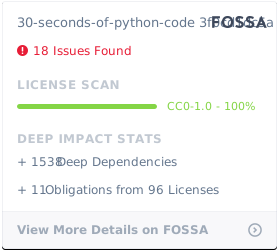
## License
|
|
[](https://app.fossa.io/projects/git%2Bgithub.com%2Fkriadmin%2F30-seconds-of-python-code?ref=badge_large)
|
|
|