
759 lines
18 KiB
Markdown
759 lines
18 KiB
Markdown

|
|
|
|
# 30-seconds-of-python-code
|
|
[](https://github.com/kriadmin/30-seconds-of-python-code/blob/master/LICENSE) [](https://gitter.im/30-seconds-of-python-code/Lobby) [](http://makeapullrequest.com) [](https://travis-ci.org/kriadmin/30-seconds-of-python-code) [](https://insight.io/github.com/kriadmin/30-seconds-of-python-code/tree/master/?source=0) [](https://github.com/Flet/semistandard)
|
|
[](https://app.fossa.io/projects/git%2Bgithub.com%2Fkriadmin%2F30-seconds-of-python-code?ref=badge_shield)
|
|
|
|
>Python implementation of 30-seconds-of-code.
|
|
|
|
**Note**:- This is in no way affiliated with the original [30-seconds-of-code](https://github.com/Chalarangelo/30-seconds-of-code/).
|
|
|
|
|
|
## Table of Contents
|
|
### :heavy_division_sign: Math
|
|
|
|
<details><summary>View contents</summary> <ul><li><a href = "#average"><code>average</code></a></li>
|
|
<li><a href = "#factorial"><code>factorial</code></a></li>
|
|
<li><a href = "#gcd"><code>gcd</code></a></li>
|
|
<li><a href = "#lcm"><code>lcm</code></a></li>
|
|
<li><a href = "#max_n"><code>max_n</code></a></li>
|
|
<li><a href = "#min_n"><code>min_n</code></a></li>
|
|
</ul></details>
|
|
|
|
### :books: List
|
|
|
|
<details><summary>View contents</summary> <ul><li><a href = "#chunk"><code>chunk</code></a></li>
|
|
<li><a href = "#compact"><code>compact</code></a></li>
|
|
<li><a href = "#count_by"><code>count_by</code></a></li>
|
|
<li><a href = "#count_occurences"><code>count_occurences</code></a></li>
|
|
<li><a href = "#deep_flatten"><code>deep_flatten</code></a></li>
|
|
<li><a href = "#difference"><code>difference</code></a></li>
|
|
<li><a href = "#difference_by"><code>difference_by</code></a></li>
|
|
<li><a href = "#shuffle"><code>shuffle</code></a></li>
|
|
<li><a href = "#spread"><code>spread</code></a></li>
|
|
<li><a href = "#zip"><code>zip</code></a></li>
|
|
</ul></details>
|
|
|
|
### :scroll: String
|
|
|
|
<details><summary>View contents</summary> <ul><li><a href = "#byte_size"><code>byte_size</code></a></li>
|
|
<li><a href = "#capitalize"><code>capitalize</code></a></li>
|
|
<li><a href = "#capitalize_every_word"><code>capitalize_every_word</code></a></li>
|
|
<li><a href = "#count_vowels"><code>count_vowels</code></a></li>
|
|
<li><a href = "#decapitalize"><code>decapitalize</code></a></li>
|
|
<li><a href = "#is_lower_case"><code>is_lower_case</code></a></li>
|
|
<li><a href = "#is_upper_case"><code>is_upper_case</code></a></li>
|
|
<li><a href = "#palindrome"><code>palindrome</code></a></li>
|
|
</ul></details>
|
|
|
|
<hr></hr>
|
|
|
|
## :heavy_division_sign: Math
|
|
|
|
### average
|
|
|
|
:information_source: Already implemented via `statistics.mean`. `statistics.mean` takes an array as an argument whereas this function takes variadic arguments.
|
|
|
|
Returns the average of two or more numbers.
|
|
|
|
Takes the sum of all the `args` and divides it by `len(args)`. The secind argument `0.0` in sum is to handle floating point division in `python2`.
|
|
|
|
```py
|
|
def average(*args):
|
|
return sum(args, 0.0) / len(args)
|
|
|
|
```
|
|
|
|
<details><summary>View Examples</summary>
|
|
|
|
```py
|
|
|
|
average(*[1, 2, 3]) # 2.0
|
|
average(1, 2, 3) # 2.0
|
|
|
|
```
|
|
</details>
|
|
|
|
<br><a href = "#table-of-contents">:arrow_up: Back to top</a>
|
|
|
|
### factorial
|
|
|
|
Calculates the factorial of a number.
|
|
|
|
Use recursion. If `num` is less than or equal to `1`, return `1`. Otherwise, return the product of `num` and the factorial of `num - 1`. Throws an exception if `num` is a negative or a floating point number.
|
|
|
|
```py
|
|
def factorial(num):
|
|
if not ((num >= 0) & (num % 1 == 0)):
|
|
raise Exception(
|
|
f"Number( {num} ) can't be floating point or negative ")
|
|
return 1 if num == 0 else num * factorial(num - 1)
|
|
|
|
```
|
|
<details><summary>View Examples</summary>
|
|
|
|
```py
|
|
|
|
factorial(6) # 720
|
|
|
|
```
|
|
</details>
|
|
|
|
<br><a href = "#table-of-contents">:arrow_up: Back to top</a>
|
|
|
|
### gcd
|
|
|
|
:information_source: `math.gcd` works with only two numbers
|
|
|
|
Calculates the greatest common divisor between two or more numbers/lists.
|
|
|
|
The `helperGcdfunction` uses recursion. Base case is when `y` equals `0`. In this case, return `x`. Otherwise, return the GCD of `y` and the remainder of the division `x/y`.
|
|
|
|
Uses the reduce function from the inbuilt module `functools`. Also defines a method `spread` for javascript like spreading of lists.
|
|
|
|
```py
|
|
from functools import reduce
|
|
|
|
|
|
def spread(arg):
|
|
ret = []
|
|
for i in arg:
|
|
if isinstance(i, list):
|
|
ret.extend(i)
|
|
else:
|
|
ret.append(i)
|
|
return ret
|
|
|
|
|
|
def gcd(*args):
|
|
numbers = []
|
|
numbers.extend(spread(list(args)))
|
|
|
|
def _gcd(x, y):
|
|
return x if not y else gcd(y, x % y)
|
|
|
|
return reduce((lambda x, y: _gcd(x, y)), numbers)
|
|
|
|
```
|
|
|
|
|
|
<details><summary>View Examples</summary>
|
|
|
|
```py
|
|
|
|
gcd(8,36) # 4
|
|
|
|
```
|
|
</details>
|
|
|
|
<br><a href = "#table-of-contents">:arrow_up: Back to top</a>
|
|
|
|
### lcm
|
|
|
|
Returns the least common multiple of two or more numbers.
|
|
|
|
Use the `greatest common divisor (GCD)` formula and the fact that `lcm(x,y) = x * y / gcd(x,y)` to determine the least common multiple. The GCD formula uses recursion.
|
|
|
|
Uses `reduce` function from the inbuilt module `functools`. Also defines a method `spread` for javascript like spreading of lists.
|
|
|
|
```py
|
|
from functools import reduce
|
|
|
|
|
|
def spread(arg):
|
|
ret = []
|
|
for i in arg:
|
|
if isinstance(i, list):
|
|
ret.extend(i)
|
|
else:
|
|
ret.append(i)
|
|
return ret
|
|
|
|
|
|
def lcm(*args):
|
|
numbers = []
|
|
numbers.extend(spread(list(args)))
|
|
|
|
def _gcd(x, y):
|
|
return x if not y else gcd(y, x % y)
|
|
|
|
def _lcm(x, y):
|
|
return x * y / _gcd(x, y)
|
|
|
|
return reduce((lambda x, y: _lcm(x, y)), numbers)
|
|
|
|
```
|
|
|
|
|
|
<details><summary>View Examples</summary>
|
|
|
|
```py
|
|
|
|
lcm(12, 7) # 84
|
|
lcm([1, 3, 4], 5) # 60
|
|
|
|
```
|
|
</details>
|
|
|
|
<br><a href = "#table-of-contents">:arrow_up: Back to top</a>
|
|
|
|
### max_n
|
|
|
|
Returns the `n` maximum elements from the provided list. If `n` is greater than or equal to the provided list's length, then return the original list(sorted in descending order).
|
|
|
|
Use `list.sort()` combined with the `deepcopy` function from the inbuilt `copy` module to create a shallow clone of the list and sort it in ascending order and then use `list.reverse()` reverse it to make it descending order. Use `[:n]` to get the specified number of elements. Omit the second argument, `n`, to get a one-element array
|
|
|
|
```py
|
|
from copy import deepcopy
|
|
|
|
|
|
def max_n(arr, n=1):
|
|
numbers = deepcopy(arr)
|
|
numbers.sort()
|
|
numbers.reverse()
|
|
return numbers[:n]
|
|
|
|
```
|
|
|
|
<details><summary>View Examples</summary>
|
|
|
|
```py
|
|
|
|
max_n([1, 2, 3]) # [3]
|
|
max_n([1, 2, 3], 2) # [3,2]
|
|
|
|
```
|
|
</details>
|
|
|
|
<br><a href = "#table-of-contents">:arrow_up: Back to top</a>
|
|
|
|
### min_n
|
|
|
|
Returns the `n` minimum elements from the provided list. If `n` is greater than or equal to the provided list's length, then return the original list(sorted in ascending order).
|
|
|
|
Use `list.sort()` combined with the `deepcopy` function from the inbuilt `copy` module to create a shallow clone of the list and sort it in ascending order. Use `[:n]` to get the specified number of elements. Omit the second argument, `n`, to get a one-element array
|
|
|
|
```py
|
|
from copy import deepcopy
|
|
|
|
|
|
def min_n(arr, n=1):
|
|
numbers = deepcopy(arr)
|
|
numbers.sort()
|
|
return numbers[:n]
|
|
|
|
```
|
|
|
|
<details><summary>View Examples</summary>
|
|
|
|
```py
|
|
|
|
min_n([1, 2, 3]) # [1]
|
|
min_n([1, 2, 3], 2) # [1,2]
|
|
|
|
```
|
|
</details>
|
|
|
|
<br><a href = "#table-of-contents">:arrow_up: Back to top</a>
|
|
|
|
## :books: List
|
|
|
|
### chunk
|
|
|
|
Chunks an array into smaller lists of a specified size.
|
|
|
|
Uses `range` to create a list of desired size. Then use `map` on this list and fill it with splices of `arr`.
|
|
|
|
```py
|
|
from math import ceil
|
|
|
|
|
|
def chunk(arr, size):
|
|
return list(
|
|
map(lambda x: arr[x * size:x * size + size],
|
|
list(range(0, ceil(len(arr) / size)))))
|
|
|
|
```
|
|
|
|
<details><summary>View Examples</summary>
|
|
|
|
```py
|
|
|
|
chunk([1,2,3,4,5],2) # [[1,2],[3,4],5]
|
|
|
|
```
|
|
</details>
|
|
|
|
<br><a href = "#table-of-contents">:arrow_up: Back to top</a>
|
|
|
|
### compact
|
|
|
|
Removes falsey values from a list.
|
|
|
|
Use `filter()` to filter out falsey values (False, None, 0, and "").
|
|
|
|
```py
|
|
def compact(arr):
|
|
return list(filter(lambda x: bool(x), arr))
|
|
|
|
```
|
|
|
|
<details><summary>View Examples</summary>
|
|
|
|
```py
|
|
|
|
compact([0, 1, False, 2, '', 3, 'a', 's', 34]) # [ 1, 2, 3, 'a', 's', 34 ]
|
|
|
|
```
|
|
</details>
|
|
|
|
<br><a href = "#table-of-contents">:arrow_up: Back to top</a>
|
|
|
|
### count_by
|
|
|
|
:information_source: Already implemented via `collections.Counter`
|
|
|
|
Groups the elements of a list based on the given function and returns the count of elements in each group.
|
|
|
|
Use `map()` to map the values of the list using the given function. Iterate over the map and increase the the elements count each time it occurs.
|
|
|
|
```py
|
|
def count_by(arr, fn=lambda x: x):
|
|
key = {}
|
|
for el in map(fn, arr):
|
|
key[el] = 0 if not el in key else key[el]
|
|
key[el] += 1
|
|
return key
|
|
|
|
```
|
|
|
|
<details><summary>View Examples</summary>
|
|
|
|
```py
|
|
|
|
from math import floor
|
|
count_by([6.1, 4.2, 6.3], floor) # {4: 1, 6: 2}
|
|
count_by(['one', 'two', 'three'], len) # {3: 2, 5: 1}
|
|
|
|
```
|
|
</details>
|
|
|
|
<br><a href = "#table-of-contents">:arrow_up: Back to top</a>
|
|
|
|
### count_occurences
|
|
|
|
:information_source: Already implemented via `list.count()`.
|
|
|
|
Counts the occurrences of a value in an list.
|
|
|
|
Uses the `reduce` functin from built-in module `functools` to increment a counter each time you encounter the specific value inside the list.
|
|
|
|
```py
|
|
def count_occurences(arr, val):
|
|
return reduce(
|
|
(lambda x, y: x + 1 if y == val and type(y) == type(val) else x + 0),
|
|
arr)
|
|
|
|
```
|
|
|
|
<details><summary>View Examples</summary>
|
|
|
|
```py
|
|
|
|
count_occurrences([1, 1, 2, 1, 2, 3], 1) # 3
|
|
|
|
```
|
|
</details>
|
|
|
|
<br><a href = "#table-of-contents">:arrow_up: Back to top</a>
|
|
|
|
### deep_flatten
|
|
|
|
Deep flattens a list.
|
|
|
|
Use recursion. Use `list.extend()` with an empty array (`result`) and the spread function to flatten a list. Recursively flatten each element that is a list.
|
|
|
|
```py
|
|
def spread(arg):
|
|
ret = []
|
|
for i in arg:
|
|
if isinstance(i, list):
|
|
ret.extend(i)
|
|
else:
|
|
ret.append(i)
|
|
return ret
|
|
|
|
|
|
def deep_flatten(arr):
|
|
result = []
|
|
result.extend(
|
|
spread(list(map(lambda x: deep(x) if type(x) == list else x, arr))))
|
|
return result
|
|
|
|
```
|
|
|
|
<details><summary>View Examples</summary>
|
|
|
|
```py
|
|
|
|
deep_flatten([1, [2], [[3], 4], 5]) # [1,2,3,4,5]
|
|
|
|
```
|
|
</details>
|
|
|
|
<br><a href = "#table-of-contents">:arrow_up: Back to top</a>
|
|
|
|
### difference
|
|
|
|
Returns the difference between two arrays.
|
|
|
|
Create a `set` from `b`, then use list comprehension to only keep values not contained in `b`
|
|
|
|
```py
|
|
def difference(a, b):
|
|
b = set(b)
|
|
return [item for item in a if item not in b]
|
|
|
|
```
|
|
<details><summary>View Examples</summary>
|
|
|
|
```py
|
|
|
|
difference([1, 2, 3], [1, 2, 4]) # [3]
|
|
|
|
```
|
|
</details>
|
|
|
|
<br><a href = "#table-of-contents">:arrow_up: Back to top</a>
|
|
|
|
### difference_by
|
|
|
|
Returns the difference between two list, after applying the provided function to each list element of both.
|
|
|
|
Create a `set` by applying `fn` to each element in `b`, then use list comprehension in combination with fn on a to only keep values not contained in the previously created `set`.
|
|
|
|
```py
|
|
def difference_by(a, b, fn):
|
|
b = set(map(fn, b))
|
|
return [item for item in a if fn(item) not in b]
|
|
|
|
```
|
|
|
|
<details><summary>View Examples</summary>
|
|
|
|
```py
|
|
|
|
from math import floor
|
|
difference_by([2.1, 1.2], [2.3, 3.4],floor) # [1.2]
|
|
difference_by([{ 'x': 2 }, { 'x': 1 }], [{ 'x': 1 }], lambda v : v['x']) # [ { x: 2 } ]
|
|
|
|
```
|
|
</details>
|
|
|
|
<br><a href = "#table-of-contents">:arrow_up: Back to top</a>
|
|
|
|
### shuffle
|
|
|
|
:information_source: The same algorithm is already implemented via `random.shuffle`.
|
|
|
|
Randomizes the order of the values of an list, returning a new list.
|
|
|
|
Uses the [Fisher-Yates algorithm](https://en.wikipedia.org/wiki/Fisher%E2%80%93Yates_shuffle) to reorder the elements of the list.
|
|
|
|
```py
|
|
from copy import deepcopy
|
|
from random import randint
|
|
|
|
|
|
def shuffle(arr):
|
|
temp_arr = deepcopy(arr)
|
|
m = len(temp_arr)
|
|
while (m):
|
|
m -= 1
|
|
i = randint(0, m)
|
|
temp_arr[m], temp_arr[i] = temp_arr[i], temp_arr[m]
|
|
return temp_arr
|
|
|
|
```
|
|
|
|
<details><summary>View Examples</summary>
|
|
|
|
```py
|
|
|
|
foo = [1,2,3]
|
|
shuffle(foo) # [2,3,1] , foo = [1,2,3]
|
|
|
|
```
|
|
</details>
|
|
|
|
<br><a href = "#table-of-contents">:arrow_up: Back to top</a>
|
|
|
|
### spread
|
|
|
|
Implements javascript's `[].concat(...arr)`. Flattens the list(non-deep) and returns an list.
|
|
|
|
```py
|
|
def spread(arg):
|
|
ret = []
|
|
for i in arg:
|
|
if isinstance(i, list):
|
|
ret.extend(i)
|
|
else:
|
|
ret.append(i)
|
|
return ret
|
|
|
|
```
|
|
|
|
|
|
<details><summary>View Examples</summary>
|
|
|
|
```py
|
|
|
|
spread([1,2,3,[4,5,6],[7],8,9]) # [1,2,3,4,5,6,7,8,9]
|
|
|
|
```
|
|
</details>
|
|
|
|
<br><a href = "#table-of-contents">:arrow_up: Back to top</a>
|
|
|
|
### zip
|
|
|
|
:information_source: Already implemented via `itertools.zip_longest()`
|
|
|
|
Creates a list of elements, grouped based on the position in the original lists.
|
|
|
|
Use `max` combined with `list comprehension` to get the length of the longest list in the arguments. Loops for `max_length` times grouping elements. If lengths of `lists` vary `fill_value` is used. By default `fill_value` is `None`.
|
|
|
|
```py
|
|
def zip(*args, fillvalue=None):
|
|
max_length = max([len(arr) for arr in args])
|
|
result = []
|
|
for i in range(max_length):
|
|
result.append([
|
|
args[k][i] if i < len(args[k]) else None for k in range(len(args))
|
|
])
|
|
return result
|
|
|
|
```
|
|
|
|
<details><summary>View Examples</summary>
|
|
|
|
```py
|
|
|
|
zip(['a', 'b'], [1, 2], [True, False]) # [['a', 1, True], ['b', 2, False]]
|
|
zip(['a'], [1, 2], [True, False]) # [['a', 1, True], [None, 2, False]]
|
|
zip(['a'], [1, 2], [True, False], fill_value = '_') # [['a', 1, True], ['_', 2, False]]
|
|
|
|
```
|
|
</details>
|
|
|
|
<br><a href = "#table-of-contents">:arrow_up: Back to top</a>
|
|
|
|
## :scroll: String
|
|
|
|
### byte_size
|
|
|
|
Returns the length of a string in bytes.
|
|
|
|
`utf-8` encodes a given string and find its length.
|
|
|
|
```py
|
|
def byte_size(string):
|
|
return(len(string.encode('utf-8')))
|
|
|
|
```
|
|
|
|
<details><summary>View Examples</summary>
|
|
|
|
```py
|
|
|
|
byte_size('😀') # 4
|
|
byte_size('Hello World') # 11
|
|
|
|
```
|
|
</details>
|
|
|
|
<br><a href = "#table-of-contents">:arrow_up: Back to top</a>
|
|
|
|
### capitalize
|
|
|
|
Capitalizes the first letter of a string.
|
|
|
|
Capitalizes the fist letter of the sring and then adds it with rest of the string. Omit the `lower_rest` parameter to keep the rest of the string intact, or set it to `true` to convert to lowercase.
|
|
|
|
```py
|
|
def capitalize(string, lower_rest=False):
|
|
return string[:1].upper() + (string[1:].lower() if lower_rest else string[1:])
|
|
|
|
```
|
|
|
|
<details><summary>View Examples</summary>
|
|
|
|
```py
|
|
|
|
capitalize('fooBar') # 'FooBar'
|
|
capitalize('fooBar', True) # 'Foobar'
|
|
|
|
```
|
|
</details>
|
|
|
|
<br><a href = "#table-of-contents">:arrow_up: Back to top</a>
|
|
|
|
### capitalize_every_word
|
|
|
|
Capitalizes the first letter of every word in a string.
|
|
|
|
Uses `str.title` to capitalize first letter of evry word in the string.
|
|
|
|
```py
|
|
def capitalize_every_word(string):
|
|
return string.title()
|
|
|
|
```
|
|
|
|
<details><summary>View Examples</summary>
|
|
|
|
```py
|
|
|
|
capitalize_every_word('hello world!') # 'Hello World!'
|
|
|
|
```
|
|
</details>
|
|
|
|
<br><a href = "#table-of-contents">:arrow_up: Back to top</a>
|
|
|
|
### count_vowels
|
|
|
|
Retuns `number` of vowels in provided `string`.
|
|
|
|
Use a regular expression to count the number of vowels `(A, E, I, O, U)` in a string.
|
|
|
|
```py
|
|
import re
|
|
|
|
|
|
def count_vowels(str):
|
|
return len(len(re.findall(r'[aeiou]', str, re.IGNORECASE)))
|
|
|
|
```
|
|
|
|
<details><summary>View Examples</summary>
|
|
|
|
```py
|
|
|
|
count_vowels('foobar') # 3
|
|
count_vowels('gym') # 0
|
|
|
|
```
|
|
</details>
|
|
|
|
<br><a href = "#table-of-contents">:arrow_up: Back to top</a>
|
|
|
|
### decapitalize
|
|
|
|
Decapitalizes the first letter of a string.
|
|
|
|
Decapitalizes the fist letter of the sring and then adds it with rest of the string. Omit the `upper_rest` parameter to keep the rest of the string intact, or set it to `true` to convert to uppercase.
|
|
|
|
```py
|
|
def decapitalize(string, upper_rest=False):
|
|
return str[:1].lower() + (str[1:].upper() if upper_rest else str[1:])
|
|
|
|
```
|
|
|
|
<details><summary>View Examples</summary>
|
|
|
|
```py
|
|
|
|
decapitalize('FooBar') # 'fooBar'
|
|
decapitalize('FooBar', True) # 'fOOBAR'
|
|
|
|
```
|
|
</details>
|
|
|
|
<br><a href = "#table-of-contents">:arrow_up: Back to top</a>
|
|
|
|
### is_lower_case
|
|
|
|
Checks if a string is lower case.
|
|
|
|
Convert the given string to lower case, using `str.lower()` method and compare it to the original.
|
|
|
|
```py
|
|
def is_lower_case(str):
|
|
return str == str.lower()
|
|
|
|
```
|
|
|
|
<details><summary>View Examples</summary>
|
|
|
|
```py
|
|
|
|
is_lower_case('abc') # True
|
|
is_lower_case('a3@$') # True
|
|
is_lower_case('Ab4') # False
|
|
|
|
```
|
|
</details>
|
|
|
|
<br><a href = "#table-of-contents">:arrow_up: Back to top</a>
|
|
|
|
### is_upper_case
|
|
|
|
Checks if a string is upper case.
|
|
|
|
Convert the given string to upper case, using `str.upper()` method and compare it to the original.
|
|
|
|
```py
|
|
def is_upper_case(str):
|
|
return str == str.upper()
|
|
|
|
```
|
|
|
|
<details><summary>View Examples</summary>
|
|
|
|
```py
|
|
|
|
is_upper_case('ABC') # True
|
|
is_upper_case('a3@$') # True
|
|
is_upper_case('aB4') # False
|
|
|
|
```
|
|
</details>
|
|
|
|
<br><a href = "#table-of-contents">:arrow_up: Back to top</a>
|
|
|
|
### palindrome
|
|
|
|
Returns `True` if the given string is a palindrome, `False` otherwise.
|
|
|
|
Convert string `str.lower()` and use `re.sub` to remove non-alphanumeric characters from it. Then compare the new string to the reversed.
|
|
|
|
```py
|
|
def palindrome(string):
|
|
from re import sub
|
|
s = sub('[\W_]', '', string.lower())
|
|
return s == s[::-1]
|
|
|
|
```
|
|
<details><summary>View Examples</summary>
|
|
|
|
```py
|
|
|
|
palindrome('taco cat') # True
|
|
|
|
```
|
|
</details>
|
|
|
|
<br><a href = "#table-of-contents">:arrow_up: Back to top</a>
|
|
|
|
|
|
## Credits
|
|
|
|
*Icons made by [Smashicons](https://www.flaticon.com/authors/smashicons) from [www.flaticon.com](https://www.flaticon.com/) is licensed by [CC 3.0 BY](http://creativecommons.org/licenses/by/3.0/).*
|
|
|
|
|
|
|
|
## License
|
|
[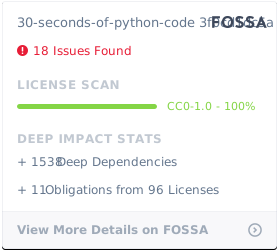](https://app.fossa.io/projects/git%2Bgithub.com%2Fkriadmin%2F30-seconds-of-python-code?ref=badge_large)
|